The masters
What worked for the most charming people in history
These are 10 people who were very good at being liked: 5 women and 5 men, from the last two thousand years. Their methods still work because they were never tricks. They paid attention, spoke honestly, prepared well and enjoyed themselves. 2 of them are here only as warnings, and some of the others also hurt people.
On accuracy
You can check every fact below against the source named on its card. Each date refers to a specific recorded event, not a general period. The principle, the exercise and the explanation are our own view. The historical record is not. Every portrait is in the public domain, and its credit is under the picture.
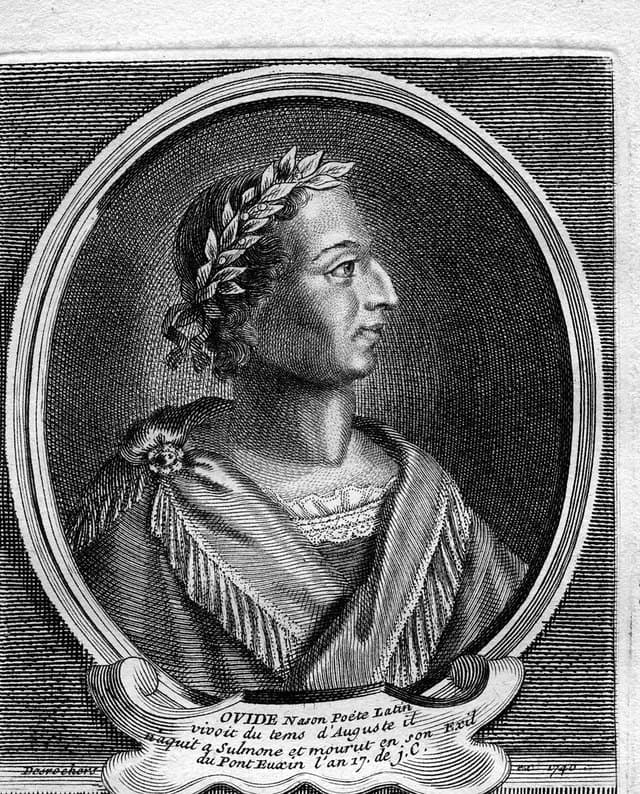
Étienne-Jehandier Desrochers · engraving, 1740s · public domain
AD 2 · Rome
Ovid
The first book anyone wrote about this
Part one does not begin with what to say. It begins with where to go: the theatre, the races and the busy covered walkways. These are places where it is normal to sit next to a stranger and nobody has to explain themselves. Then it tells the reader to watch her before he speaks, find out what she likes, and go where that is. Two thousand years later, that is still the best first step. Part three gives women the same advice, and most of the books that copied him left that out.
Source · Ovid, Ars Amatoria I (AD 2); Tristia II; Wikipedia, Ovid and Ars Amatoria
Principle 02 · our reading
Ask, do not assume
Taught in Topic 01 · First Contact
Why we teach it
The exercises here most often ask for two things: choose the place, and pay attention to the other person before you speak. This is the oldest written record of both. They work for the same reason. It is hard to feel watched while you are busy noticing someone else, and a place you already know gives you one less thing to be nervous about.
The exercise
Before you speak to anyone this week, watch the room for two minutes and find one true thing about the person you want to talk to. Start with that.
The warning
One passage in part one tells the reader to use force, and claims that women want it: “vim licet appelles: grata est vis ista puellis”, which means “call it force, that force pleases girls”. The lines around it tell him to continue when she says no. Classical scholars today read this part of the poem as a description of rape. They read it that way because of what the Latin says, not because it makes modern readers uncomfortable. Parts of the book are also a joke at its own expense, and scholars disagree about how much. Neither point makes those lines any better. This is the clearest example of what we mean when we say we remove the manipulation. We keep the part about paying attention, and we throw away the part about ignoring an answer.
Who Ovid was, and why we chose him
43 BC – AD 17
Publius Ovidius Naso was born on 20 March 43 BC in Sulmo, in the mountains east of Rome. He became the most famous poet in Rome and wrote the Metamorphoses, which people still read. In AD 2 he published Ars Amatoria, The Art of Love. It is a handbook in three parts: how to find someone, how to keep them, and in part three the same advice written for women. Six years later the emperor Augustus sent him into exile in Tomis, a town on the Black Sea at the edge of the empire. He spent the rest of his life there, writing letters home and asking to return. He was never allowed back. He died in AD 17 or 18. He said he was exiled for “a poem and a mistake”, and he never said which poem or what mistake.
Why we chose them · our reading
We chose him because he wrote the first book on the subject. Every later book is arguing with his handbook from AD 2, usually without saying so. Our own front page says the material runs from “Ovid to Casanova”, so we could not leave him out. He is also the best reason to read these people carefully and not simply copy them. Some of his advice is truly useful and some of it cannot be defended, and both are in the same chapter.
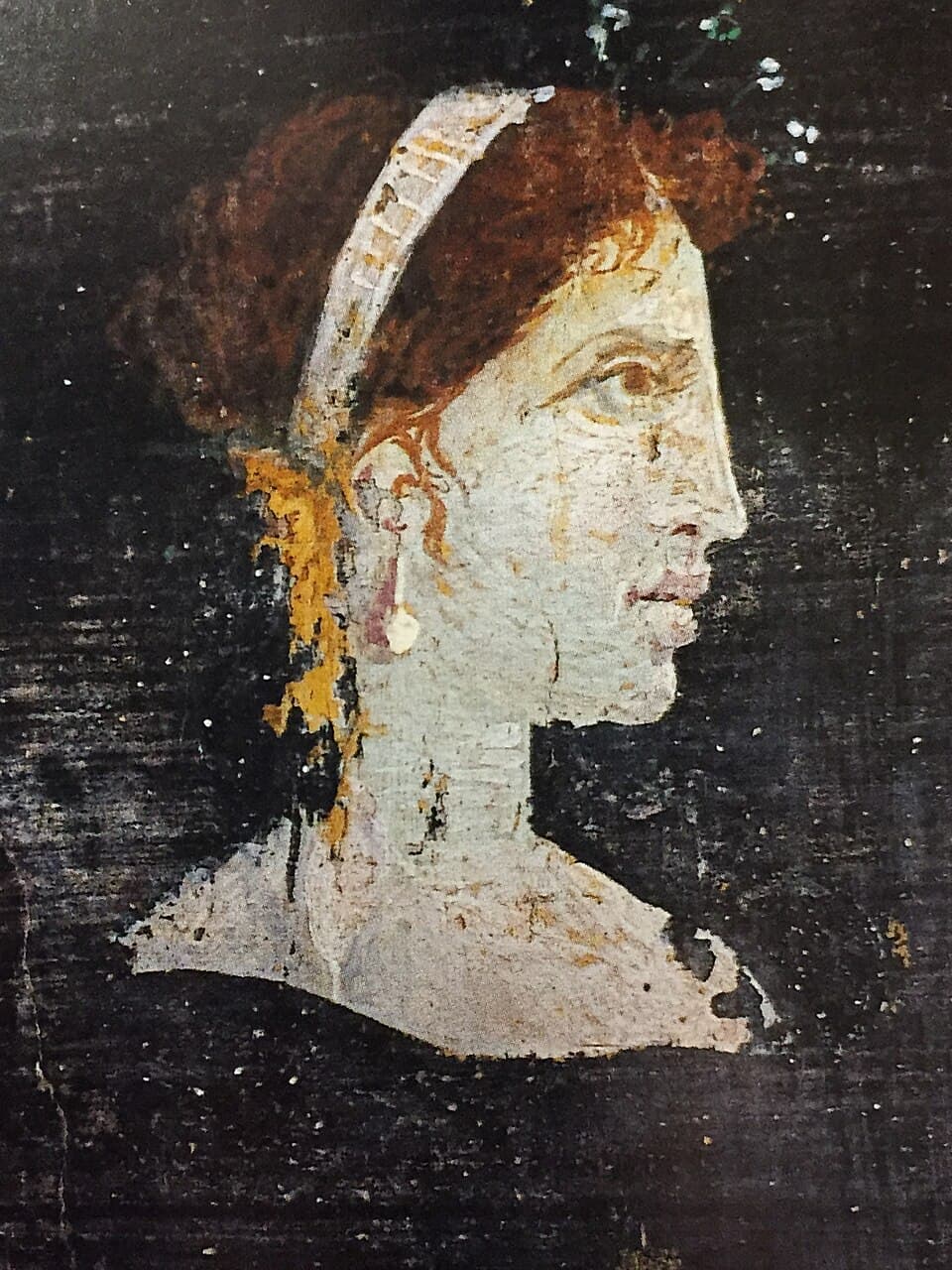
Posthumous painted portrait, Herculaneum · 1st c. AD · public domain
41 BC · Tarsus
Cleopatra VII
She made him come to her
Mark Antony ordered her to come to Tarsus to explain Egypt's behaviour. She ignored his letters. Then she arrived on her own ship, with a golden stern and purple sails, dressed as Aphrodite. She refused his invitation to dinner, so he came on board to her. Plutarch did not admire her, but he records that her real power was in conversation: the charm of her voice, and how easily she moved between languages.
Source · Plutarch, Life of Antony 25–27
Principle 01 · our reading
Arrive on your own terms
Taught in Topic 01 · First Contact
Why we teach it
Choosing the place is the easiest way to reduce anxiety. A familiar place measurably lowers stress before an event, and calmness is what people of her time actually described in her.
The exercise
This week, choose the place for one meeting yourself, and do not simply accept the one you are offered. Choose somewhere you can clearly be yourself.
The warning
The ship was only the setting. The substance was that she had studied Roman politics for years beforehand. A show with no preparation behind it is easy to see through, and it looks like an act.
Who Cleopatra was, and why we chose her
c. 69 – 30 BC
She was the last active ruler of Ptolemaic Egypt, and the last of a Macedonian Greek family that had held the throne for nearly three hundred years. She came to power at about eighteen. Her brother's court removed her, and she took the country back with a Roman army behind her. She is reported to have spoken several languages, including Egyptian, which was unusual in her family. She governed a rich country with plenty of grain for twenty-one years while Rome fought itself. She died in 30 BC, a few days after Antony, as Octavian took Alexandria.
Why we chose them · our reading
Everyone knows the story of her ship, and the ship is the least interesting thing about her. She had studied Roman politics for years before she staged that arrival. The show worked because the preparation was already done. We chose her as the argument against treating appearance as the skill.
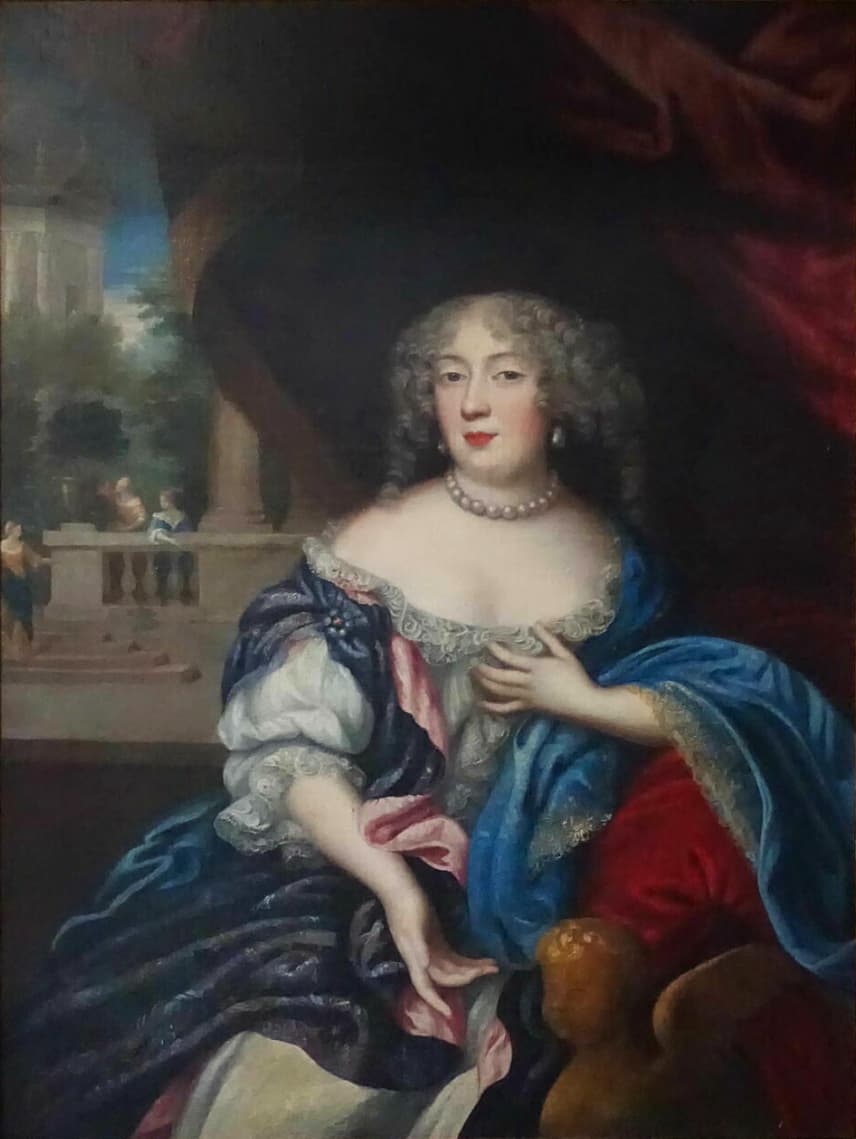
Pierre Mignard · oil portrait, 17th c. · public domain
1650s · Paris
Ninon de l’Enclos
She ended things warmly, on purpose
Saint-Simon, who lived at the same time, recorded that she kept one lover at a time and told him plainly when it was over. He wrote that no man dared resent the man who replaced him, and that each was "only too happy to be allowed to visit as a familiar friend." She refused her lovers’ money, ran a salon that demanded real conversation, supported the young Molière, and left money so that the young Voltaire could buy books.
Source · Saint-Simon, Mémoires; Britannica
Principle 03 · our reading
Friendship is not a second prize
Taught in Topic 04 · Out of the Friendzone
Why we teach it
Not knowing where you stand keeps you going over things again and again. An unsettled situation keeps producing the thoughts that our Rejection Room exists to stop. A clear ending is easier to recover from than a slow fade.
The exercise
This month, end one unclear situation warmly and on purpose. Do not let it fade into silence.
The warning
It only works if the friendship is real. If you offer friendship as a way of waiting for them to change their mind, it is not friendship. It is waiting in a longer line.
Who Ninon was, and why we chose her
1620 – 1705
She was a French writer, musician and courtesan who ran one of the most important salons in seventeenth-century Paris. Her father played the lute and taught her to sing and play. She retired as a courtesan in 1671. After that, her gatherings became both fashionable and respectable, and they attracted Molière, Scarron and Saint-Évremond. She refused money from her lovers and kept her independence in a century that gave women very little. In her will she left money for books for the young Voltaire, whose father managed her affairs late in her life. Sources disagree about her year of birth. 1620 is given most often, and 1623 also appears.
Why we chose them · our reading
She is the only person in this course for whom we have a record of ending relationships well. A writer of her time recorded that no man dared resent the man who replaced him. Almost every book about attraction stops at the beginning. We chose her for what comes after.
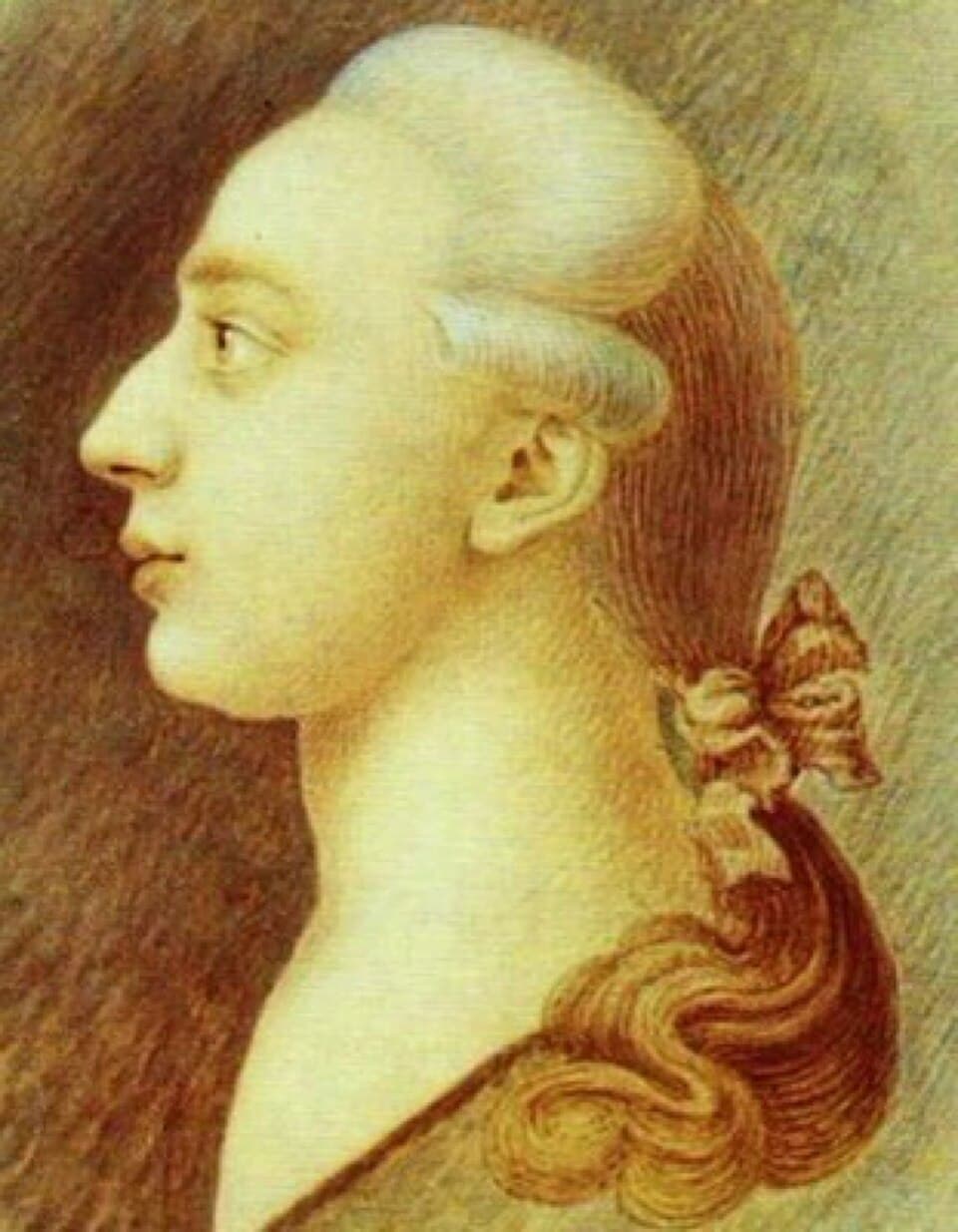
Francesco Casanova · portrait drawing, 1750s · public domain
1789–98 · Bohemia
Giacomo Casanova
What his memoirs really show
The memoirs are about 3,700 pages long. He wrote them in his sixties, as a castle librarian, on a doctor's advice against low spirits. Scholars count about 120 love affairs in the pages, and they fill about a third of the book. Historians have confirmed most of its people and events. The pages do not show conquest. They show a huge interest in other people: he asked questions, he enjoyed things easily, and he left before he was unwelcome.
Source · Histoire de ma vie; Smithsonian; Ian Kelly, Casanova
Principle 05 · our reading
Enjoying things is a skill
Taught in Topic 02 · Conversation Craft
Why we teach it
Asking questions, and follow-up questions most of all, measurably increases how much people like you (Huang et al., Harvard, 2017). This technique has the best evidence of any in the whole course.
The exercise
Ask a second question about the same subject before you say anything about yourself. Then be the first to end the conversation, warmly.
The warning
He was a gambler and a fraudster. He was often careless with the people in these pages, and he is the one telling the story. Copy the quality of his attention, not his habit of escaping responsibility.
Who Casanova was, and why we chose him
1725 – 1798
He was a Venetian writer and adventurer. In a long and unsettled life he was a student priest, a soldier, a violinist, a spy, a gambler, a fraudster and finally a castle librarian in Bohemia. He escaped from the Doge's prison in 1756, and he retold that story for the rest of his life. In his sixties a doctor advised him to write as a cure for low spirits, and he wrote Histoire de ma vie, about 3,700 pages. That book is the reason he is remembered as a lover and not as any of the other things he was.
Why we chose them · our reading
The memoir is a better book than his reputation suggests, and the reputation misunderstands how he did it. The pages do not show conquest. They show a huge interest in other people. He asked questions, he enjoyed things easily, and he left before he was unwelcome. That is a skill, and it can be taught. His habit of escaping responsibility cannot.
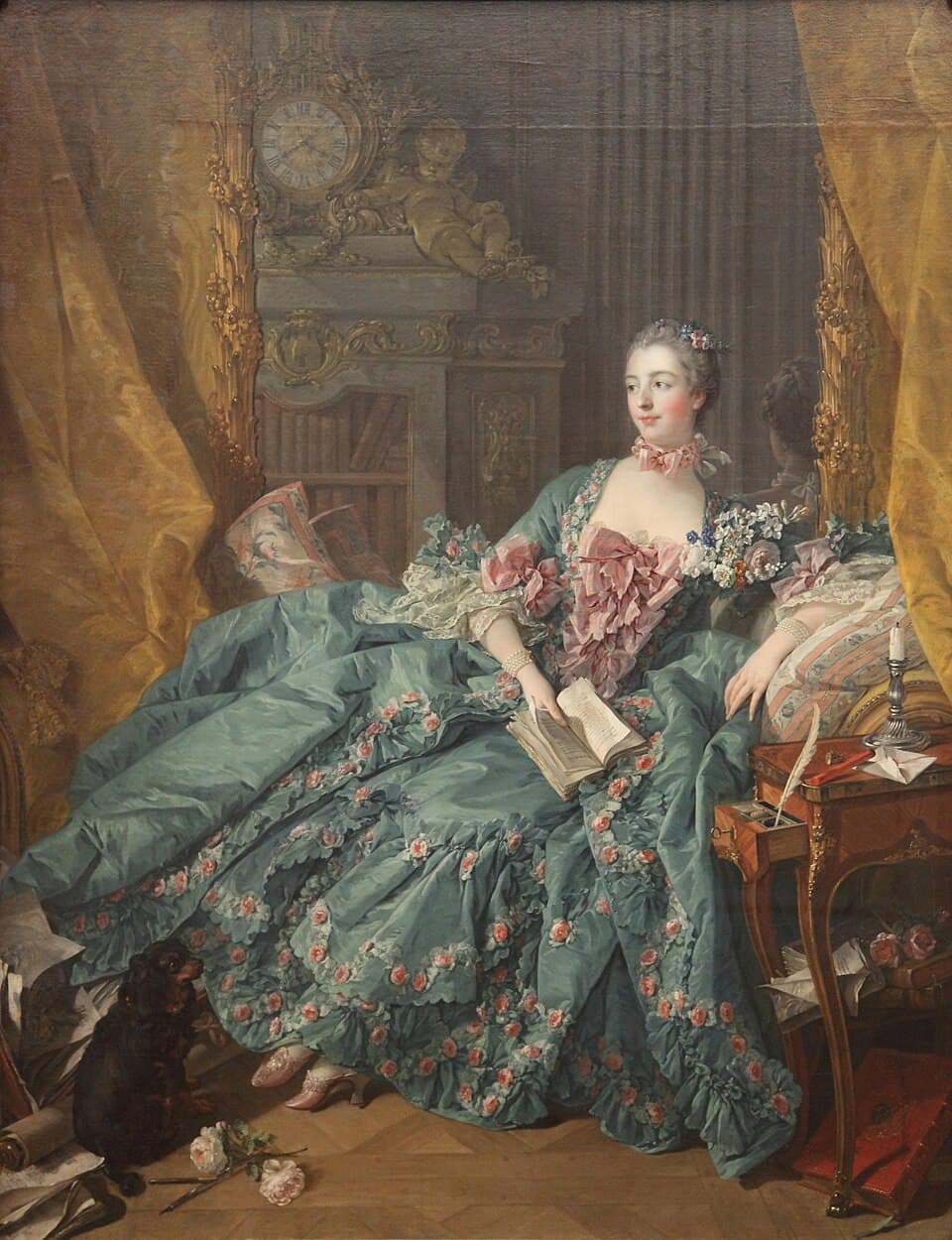
François Boucher, 1756 · Alte Pinakothek · public domain
1745–64 · Versailles
Madame de Pompadour
She brought a world with her
She met Louis XV at a masked ball in February 1745 and moved into Versailles within months. The physical affair ended around 1750. She remained his closest companion and unofficial adviser until she died in 1764. She held the attention of a king who was often low in spirits with theatre, cards, hunting and better conversation than his court could offer. She supported the Sèvres porcelain works, the Petit Trianon and the first volumes of Diderot’s Encyclopédie. Louis called it a "twenty-year friendship."
Source · Château de Versailles; Louis XV, quoted 1764
Principle 07 · our reading
Have a life to share. Do not be a prize.
Taught in Topic 06 · The Long Devotion
Why we teach it
Doing new things together keeps a long relationship alive. Relaxing together does not do the same. Researchers call this the self-expansion effect. Couples who do new things together report more desire than couples who simply spend time together.
The exercise
Bring one thing of your own into the relationship: a place, a subject or a plan that they would not have found without you.
The warning
Her position also depended on court politics and money, and the court hated her for it. If you build a whole world for someone who never enters it, you are serving them, not attracting them. Watch whether they actually come.
Who Pompadour was, and why we chose her
1721 – 1764
She was born Jeanne Antoinette Poisson, the daughter of a Paris financier, with no family claim to a place at the French court. She met Louis XV in 1745, moved into Versailles within months, and was made Marquise de Pompadour the same year. The physical relationship ended around 1750. She remained his closest companion and unofficial adviser for another fourteen years. She ordered new buildings, supported Voltaire and the Encyclopédie, and shaped the taste of the court until she died in 1764.
Why we chose them · our reading
She kept the attention of a famously bored king for nineteen years, and only five of those years involved sleeping with him. Desire did not hold the other fourteen. We chose her to show that being interesting lasts longer than being wanted.
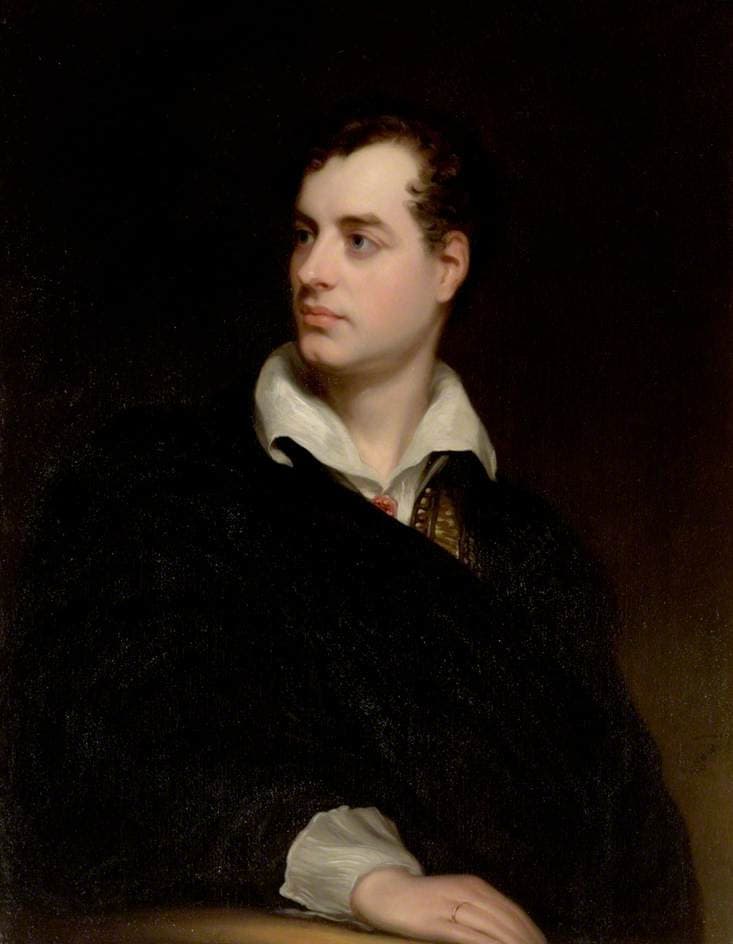
Thomas Phillips, 1813 · Newstead Abbey · public domain
1812 · London
Lord Byron
Why being unavailable is not a strategy
Childe Harold made him famous overnight. Lady Caroline Lamb demanded to be introduced after she read it, and she is said to have written in her journal that he was "mad, bad, and dangerous to know". The affair lasted from March to August 1812. He ended it because it had become too public and too intense. Her collapse afterwards included self-harm, a novel written in revenge, and a ruined reputation, and it is as well recorded as the glamour.
Source · British Library; Lamb’s journal, 1812
Principle 08 · our reading
A reputation is not a method
Not taught. Included as a control case.
Why we teach it
Attention that comes and goes unpredictably makes people attached, not happy. It is how people end up in relationships that they cannot leave and do not enjoy. That is why we teach the opposite.
The exercise
There is no exercise. Read this before you decide that being unavailable is a strategy.
The warning
Byron is here because every seduction manual copies his image and leaves out the people he hurt. Mystery attracts people. Mystery without care damages them, and in this case the damage was real and the person has a name. You may limit your time. Never limit your honesty.
Who Byron was, and why we chose him
1788 – 1824
He was a British Romantic poet who became famous overnight in 1812, when the first part of Childe Harold's Pilgrimage was published. His fame was of a modern kind: crowds followed him, people gossiped about him, and his image was sold. Within four years it collapsed under scandal and debt, and he left England for good. He died at thirty-six at Missolonghi, where he had gone to fight in the Greek war of independence.
Why we chose them · our reading
He is our warning example, and this course needs one. Every seduction manual copies his image, the unavailable, dangerous, brooding man, and quietly leaves out the damage around him. He is not here to be copied. He is here so that you can see that image together with its results.
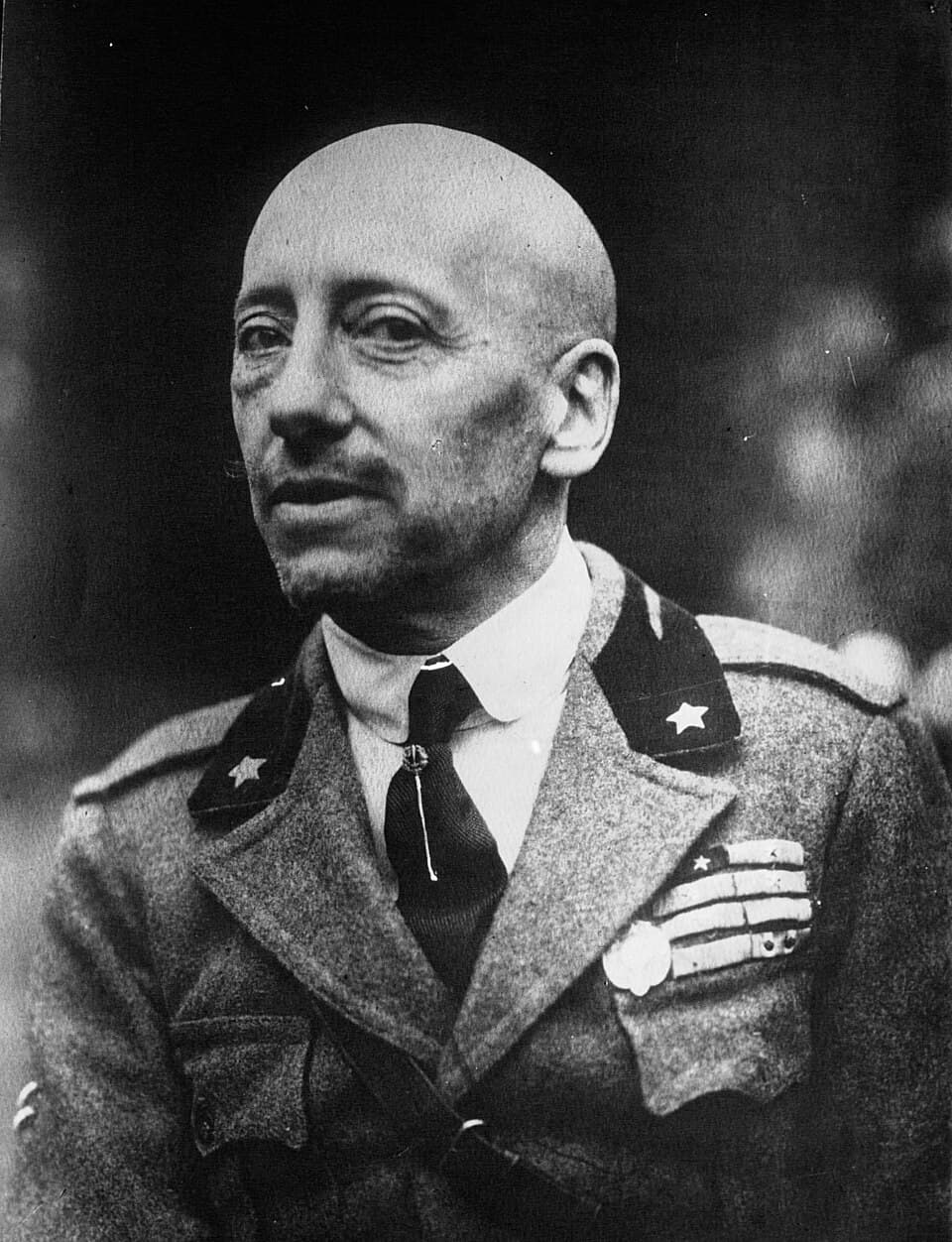
Agence Meurisse, 1922 · public domain
1894–1904 · Italy
Gabriele d’Annunzio
Proof that attention matters more than looks
He was 1.64 m tall, bald in his twenties, and narrow in the shoulders. People of his time described a vain, short man. He also had hundreds of recorded lovers, among them Eleonora Duse, the most famous actress in Europe, who was five years older than he was. His tool was language, and his method was preparation. He learned a woman's favourite authors so that he could quote them to her, and he studied her habits in advance so that he seemed to understand her from the first meeting.
Source · Lucy Hughes-Hallett, Poet, Seducer, and Preacher of War; Britannica
Principle 10 · our reading
Attention matters more than looks
Taught in Topic 02 · Conversation Craft
Why we teach it
Researchers call it perceived responsiveness: the feeling that someone understands you and values you. It is one of the strongest predictors of attraction during a conversation, stronger than physical attractiveness. It is the most encouraging finding in this field.
The exercise
Before your next date, find out one thing they really love, and go and read it, watch it or listen to it. Arrive with a question about it, not a compliment.
The warning
This is where the method turns harmful. While the affair was still going on, he published their private life as the novel Il fuoco (1900) for his own profit. Later he shaped the style that Italian fascism copied. Preparing in order to understand someone is attention. The same preparation done in order to control them is a trick. The only difference is your intention, and you will know which one you are doing.
Who d’Annunzio was, and why we chose him
1863 – 1938
He was an Italian poet, novelist and playwright who became one of the most famous writers in Europe, and then one of its strangest political figures. He had a long and public affair with Eleonora Duse, the most famous actress of the time, and he wrote his best plays during it. Sources place its end between 1904 and 1910. In 1919 he took the city of Fiume with a private army and ruled it for fifteen months. Wikipedia states history's judgement plainly: he is "credited with partially inventing Italian fascism", and he has been called "the John the Baptist of Italian fascism" because Mussolini copied his rituals.
Why we chose them · our reading
He is the strongest evidence we have that attention matters more than looks. He was short and balding, and people of his time found him ordinary to look at. He was still the most pursued man in Italy. He is also where the method turns harmful: he published his lover's private life as a novel while the affair was still going on. Preparing in order to understand someone is attention. The same preparation done in order to control them is a trick.
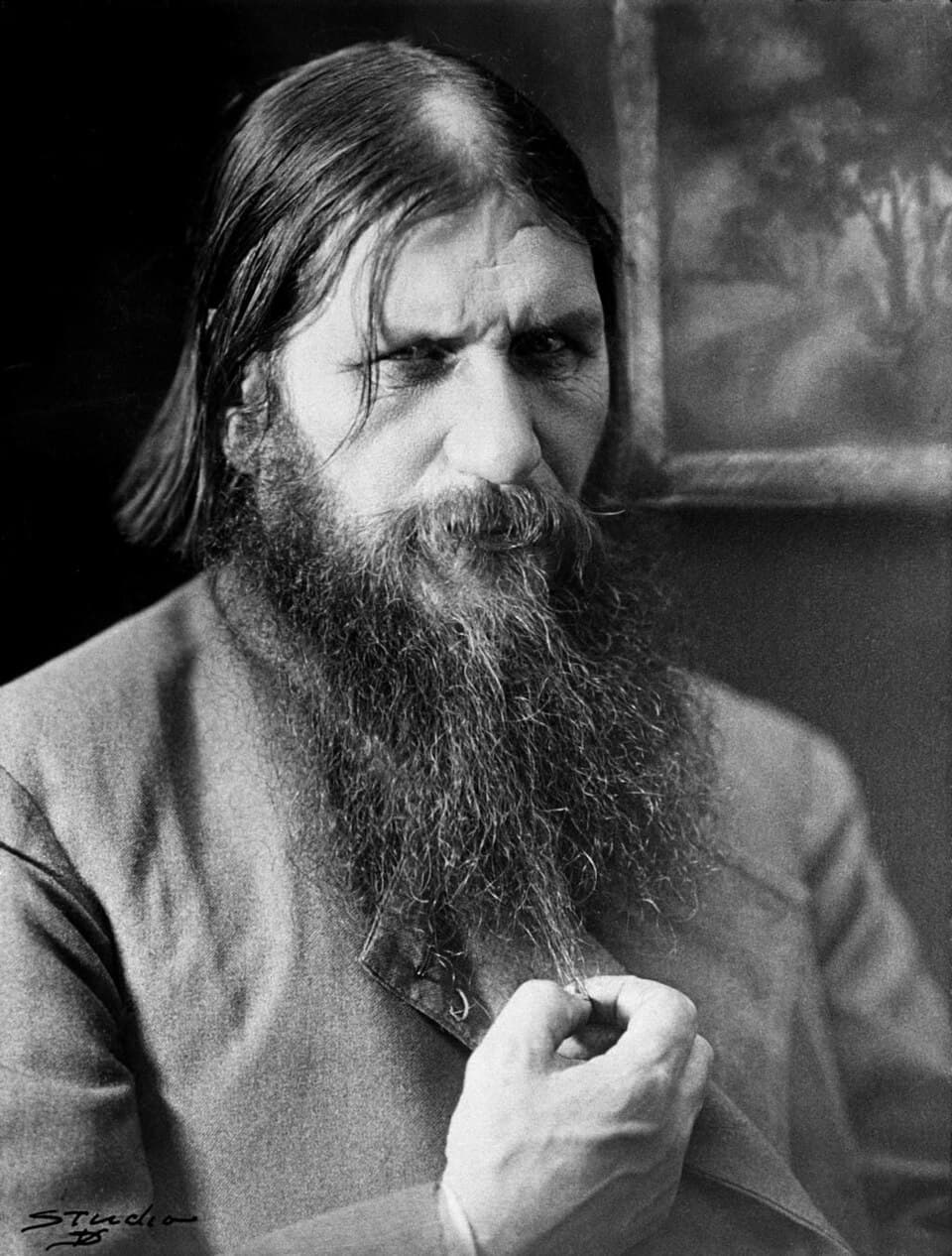
Photograph, 1916 · public domain (Russian Empire)
1905–16 · St Petersburg
Grigori Rasputin
His enemies invented most of his legend
The legend describes a man of endless appetite who controlled everyone around him. The records show someone different. He was tall and long-haired with a fixed grey-green stare. Someone who knew him wrote that "the charm of this man lies in his eyes". He offered an isolated imperial family complete certainty and his full attention, and nobody else at court offered either. His standing depended on the Tsarevich’s haemophilia. His calm seemed to steady the household. By keeping the doctors away, he most likely stopped the boy's aspirin, a blood thinner that nobody then knew was making him worse.
Source · Douglas Smith, Rasputin (2016); Antony Beevor, Rasputin
Principle 13 · our reading
Certainty spreads to other people
Not taught. Included as a control case.
Why we teach it
People regularly take confidence for ability, even when the two are unrelated. This is useful in two ways. It explains his hold on the family, and it explains why another person's certainty is not evidence of anything.
The exercise
There is no exercise. Read this as a warning about the people you find magnetic.
The warning
Historians find that his political influence has been greatly exaggerated, and that the rumours about him did far more damage than his actions. He was unfaithful to his wife and he drank heavily. The real story is how much authority a frightened family will give to anyone who sounds sure.
Who Rasputin was, and why we chose him
1869 – 1916
He was a Siberian peasant. After a pilgrimage and a religious conversion in 1897, he travelled as a strannik, a religious wanderer, and reached the imperial court. He held no position in the Russian Orthodox Church. His standing depended almost entirely on the haemophilia of the Tsarevich Alexei and the Empress's belief that he could help. His calm seemed to steady the household. Conservative nobles murdered him at the Yusupov Palace in December 1916. Douglas Smith's 2016 biography argues that his political influence was much smaller than the legend says, and that the rumours did far more damage than the man.
Why we chose them · our reading
He shows most clearly that certainty spreads to other people, and he is the clearest warning about how little that certainty is worth. He offered an isolated family complete conviction and his full attention, and nobody else at court offered either. People took his confidence for ability. They were wrong, and they did it anyway. This explains his hold on them. It also explains why another person's certainty is not evidence of anything.
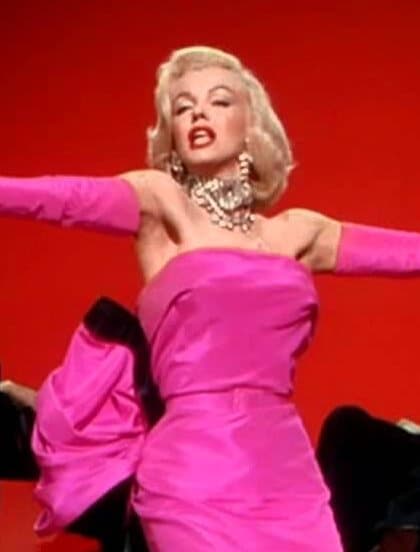
Gentlemen Prefer Blondes trailer, 1953 · public domain (US, published without notice)
1955 · New York
Marilyn Monroe
She could switch it on
Susan Strasberg described walking through Manhattan beside her while nobody recognised her. Then Marilyn grinned and asked, “Do you want to see me be her?” Nothing changed that a camera could have shown. Strasberg wrote that she made some inner adjustment and turned something on, and within minutes a crowd had gathered around her. Eli Wallach and Richard Avedon each described the same switch in their own words. She had studied it. She already had a contract, and she kept going to classes. She played Cordelia to Michael Chekhov’s Lear. On the set of Niagara, when her career was taking off, she was reading a difficult book about physical habits.
Source · Strasberg (1992); Arnold (1987); Monroe, Fragments (2010)
Principle 14 · our reading
You build presence. You are not born with it.
Taught in Topic 10 · The Monroe Method
Why we teach it
It was the same face, the same coat and the same street, so the difference was her behaviour, and you can practise a behaviour. That is the most useful fact about her, and it is why we teach her and do not only admire her. The witnesses do not describe a quality she was born with. They describe something she did on purpose.
The exercise
Before you enter one room this week, decide on the one thing you will give the people in it. Then give it, and do not check how you are coming across.
The warning
She was sick with fear before scenes for her whole career, and she often could not work without a coach beside the camera. In 1957 Avedon watched her perform “Marilyn Monroe” for an evening. Then he watched it switch off and leave her in a corner with nothing. She built it as a mask to hide behind, and that version destroyed her. She was underpaid for years, given the same kind of role again and again, and never safe to switch off. She died on the night of 4–5 August 1962, aged thirty-six. Practise being unnoticed as carefully as you practise being noticed.
Who Monroe was, and why we chose her
1926 – 1962
She was born Norma Jeane Mortenson. She was an American actress who became the most photographed woman of her century, and one of its most underestimated performers. She fought her studio for better parts and better pay, started her own production company in 1955, and studied at the Actors Studio in New York. She read seriously and she wrote. Her notes and poems were published in 2010 as Fragments. She died in 1962, aged thirty-six.
Why we chose them · our reading
We chose her because of one story that teaches more than any theory. Susan Strasberg described walking through Manhattan beside her while nobody recognised her, until she asked: "Do you want to see me be her?" Nothing changed that a camera could have shown, and a crowd gathered. She could switch her presence on. If she could switch it on, she had built it, and if she built it, you can learn it.
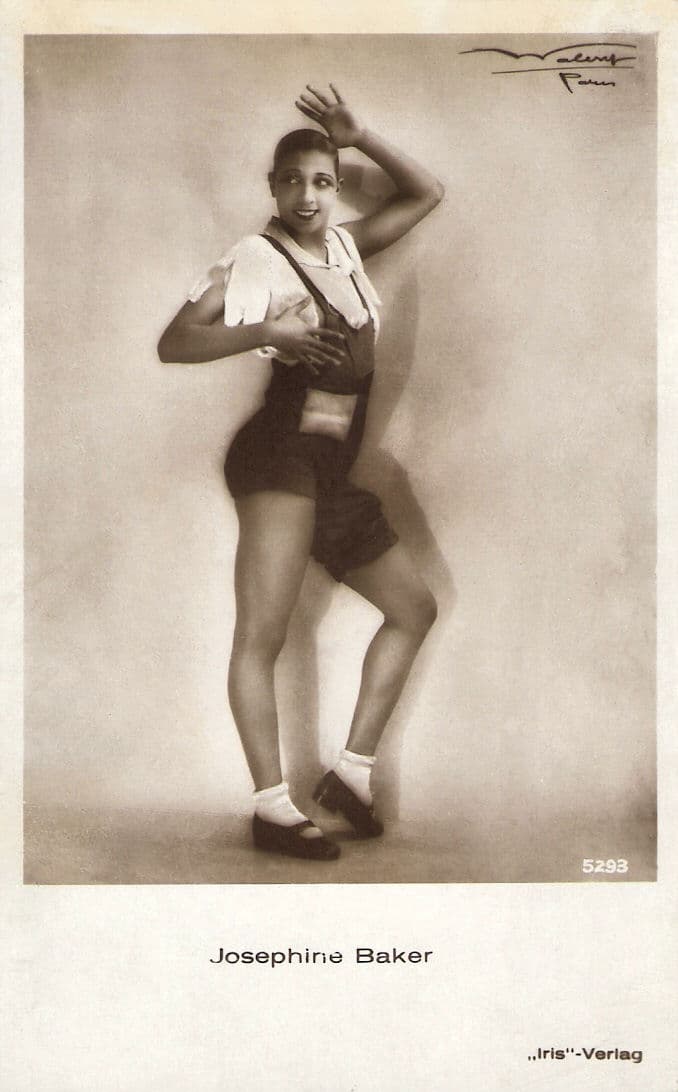
Studio portrait by Lucien Waléry, published before 1931 · public domain
2 Oct 1925 · Paris
Joséphine Baker
Being playful worked better than being polished
She was nineteen and wanted to sing. She was hired as a comic for La Revue Nègre at the Théâtre des Champs-Élysées. The material she was given was built on a crude "exotic" fantasy. She undermined it from inside: she crossed her eyes, puffed out her cheeks, and moved in sudden jerks on purpose. Her comedy kept interrupting the eroticism that the producers had ordered. By the end of the night, Paris loved her.
Source · Contemporary reviews; Phyllis Rose, Jazz Cleopatra
Principle 12 · our reading
Playful works better than polished
Taught in Topic 03 · Desire & Restraint
Why we teach it
Being playful shows that you are not a threat, and attraction cannot start without that. Being polished shows effort, and effort makes people judge you. Being judged is exactly what most shy people want to escape.
The exercise
Do the slightly silly version of something you were going to do carefully. Notice who moves closer.
The warning
She was working inside a racist idea that she did not choose, and undermining it was as much about survival as about flirting. Play also stops working the moment you do it for approval and not because you enjoy it.
Who Baker was, and why we chose her
1906 – 1975
She was born Freda Josephine McDonald in St. Louis. She arrived in Paris at nineteen and became the highest-paid entertainer in Europe. She gave up her US citizenship and became French in 1937. During the Second World War she worked for French military intelligence. She carried information written in invisible ink on sheet music, and she sheltered refugees at her château. She received the Resistance Medal and the Croix de Guerre, and she was made a Chevalier of the Légion d'honneur. She spoke at the 1963 March on Washington. In 2021 she was honoured at the Panthéon, the first Black woman to be. The coffin placed there holds soil from places where she lived. Her body remains in Monaco.
Why we chose them · our reading
On her first night in Paris, she was given material built on someone else's racist fantasy. She made it her own by refusing to play it seriously. She crossed her eyes, puffed out her cheeks, and was funny where the script wanted her to be exotic. Being playful worked better than being polished, in front of the hardest possible audience. The warning about her matters more than any other on this page: undermining that racist idea was a way to survive before it was charm.
Most of these people wrote about themselves, or were written about by people who had reasons to exaggerate. When the source is a memoir and not an independent account, the card says whose memoir it is.